
Creating Effective Emergency Preparedness Plans
- Oct 10, 2025
- 3 min read
Emergencies can strike without warning. Whether you manage a commercial building, run a business, or oversee a college campus, having a solid emergency planning guide is essential. You need a clear, actionable plan that protects lives and property. I will walk you through the key steps to create effective emergency preparedness plans that work in real situations.
Why You Need a Strong Emergency Planning Guide
Emergencies come in many forms: fires, natural disasters, power outages, or even security threats. Without preparation, chaos can take over. A well-crafted emergency planning guide helps you:
Reduce confusion during a crisis
Ensure quick, coordinated responses
Minimize injuries and damage
Comply with legal and safety regulations
Think about your facility or organization. What risks are most likely? What resources do you have? Answering these questions is the first step toward a plan that fits your unique needs.

Building Your Emergency Planning Guide: Step-by-Step
Creating an emergency planning guide is not a one-size-fits-all process. It requires careful assessment and clear communication. Here’s how to start:
1. Conduct a Risk Assessment
Identify potential hazards specific to your location and operations. For example:
Flood zones or earthquake risks for buildings
Fire hazards in kitchens or storage areas
Security threats in public spaces
Use this information to prioritize your planning efforts.
2. Develop Clear Procedures
Outline step-by-step actions for each type of emergency. Include:
Evacuation routes and assembly points
Communication protocols (who contacts whom)
Roles and responsibilities for staff or occupants
Make sure procedures are simple and easy to follow.
3. Assemble Emergency Supplies
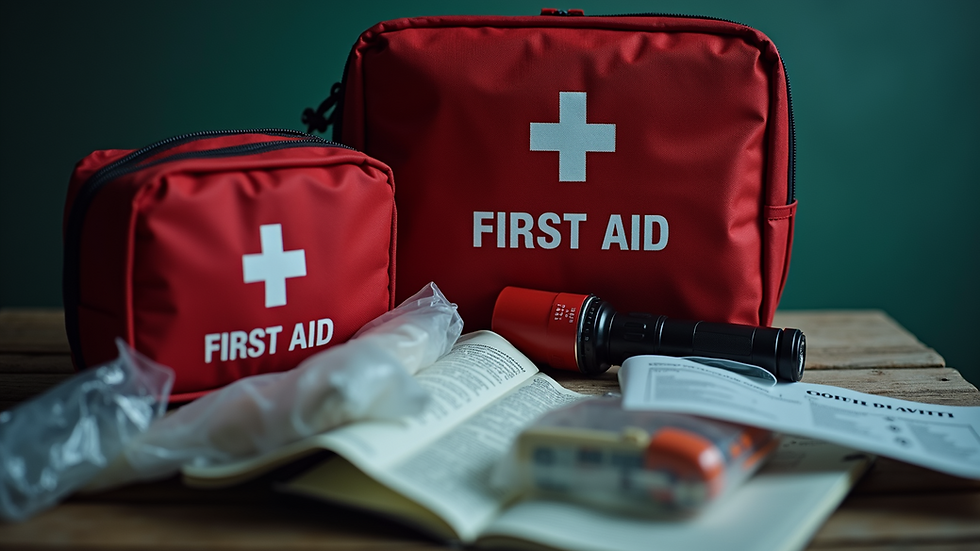
Stock essential items that support safety and survival. This includes first aid kits, flashlights, water, and non-perishable food. Keep supplies accessible and regularly check expiration dates.
4. Train and Educate
Your plan is only as good as the people who use it. Conduct regular training sessions and drills. Teach everyone how to respond calmly and effectively.
5. Review and Update Regularly
Emergencies evolve, and so should your plan. Schedule periodic reviews to incorporate new risks, changes in personnel, or updated regulations.
By following these steps, you create a living document that guides your team through any crisis.
What are 10 Items You Need to Survive?
When preparing your emergency kits, focus on essentials that sustain life and maintain safety. Here are ten critical items you should include:
Water - At least one gallon per person per day for drinking and sanitation
Non-perishable Food - Ready-to-eat meals or canned goods
First Aid Kit - Bandages, antiseptics, medications, and tools
Flashlight - Preferably LED with extra batteries
Multi-tool or Swiss Army Knife - For various emergency repairs
Battery-powered or Hand-crank Radio - To receive updates if power is out
Personal Hygiene Items - Soap, hand sanitizer, feminine products
Blankets or Sleeping Bags - To stay warm if sheltering in place
Whistle - To signal for help if trapped or lost
10. Important Documents - Copies of IDs, insurance, and emergency contacts in a waterproof bag
These items form the backbone of any emergency kit. Tailor your supplies to your environment and the people you serve.

Communication: The Backbone of Emergency Response
Clear communication saves lives. Your emergency planning guide must include a communication strategy that covers:
Internal alerts: How will you notify staff or occupants? Consider alarms, text messages, or public address systems.
External contacts: Who do you call for help? Include local emergency services, utility companies, and key stakeholders.
Information updates: How will you keep everyone informed during and after the event?
Test your communication tools regularly. Ensure backup methods are in place if primary systems fail.
Integrating Your Plan with Training and Drills
A plan on paper is useless if no one knows how to execute it. Training and drills are critical. Here’s how to make them effective:
Schedule regular drills for different scenarios
Simulate real conditions to test response times and decision-making
Debrief after drills to identify weaknesses and improve
Include all occupants so everyone understands their role
Training builds confidence and reduces panic when real emergencies occur.
Final Thoughts on Emergency Preparedness
Creating effective emergency preparedness plans is a continuous process. It demands attention to detail, clear communication, and ongoing commitment. By following this emergency planning guide, you can build a resilient environment that protects people and property.
Remember, the best time to prepare is before disaster strikes. If you want to deepen your knowledge or need tailored solutions, consider consulting experts who specialize in emergency preparedness plans. Their expertise can make all the difference.
Stay proactive. Stay safe.



Comments