
Emergency Preparedness: How to Build and Maintain a Go Bag
- Jul 23, 2025
- 2 min read
What would you do if a natural disaster struck while you were at home, work, or on the road?
Why It Matters:
While we hope emergencies never happen, being prepared can make the difference between panic and control. A well-stocked Go Bag ensures you’re ready to respond quickly and safely when evacuation or relocation becomes necessary.
Purpose of a Go Bag
What Is a Go Bag?
A Go Bag is a compact, easy-to-carry emergency kit packed with essential items needed to support yourself for the first 24–72 hours of a crisis.
Why You Need One?
Ensures quick mobility during evacuations
Provides immediate access to necessities
Reduces reliance on disrupted supply chains
Key Insight:
A thoughtfully prepared Go Bag offers safety, comfort, and peace of mind in high-stress situations.
How to Prepare a Go Bag
Step 1: Understanding the Go Bag
Keep it simple: Only include necessities
Keep it compact: Avoid overpacking
Keep it accessible: Store where it can be grabbed quickly (home, car, office)
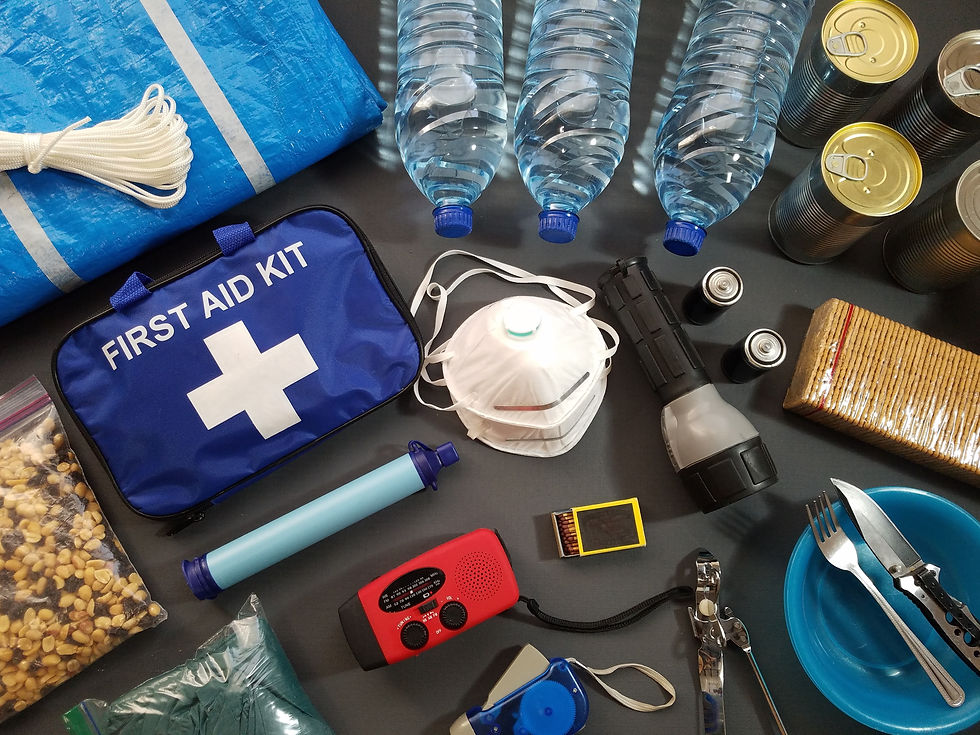
Step 2: Essential Items for Your Go Bag
Organize your Go Bag with the following categories in mind:
🥫 Food & Hydration
Non-perishable, high-calorie foods (e.g., MREs, granola bars)
Water filtration device or purification tablets
🧼 Hygiene Supplies
Toothbrush and toothpaste
Biodegradable wipes or hand sanitizer
Travel-size soap and menstrual hygiene products (if needed)
📞 Communication Tools
Portable phone charger or power bank
Emergency contact list (printed and digital)
Hand-crank or battery-powered emergency radio
🗺️ Navigation & Planning
Printed maps of your local area and evacuation routes
Pre-determined meeting locations for family or coworkers
🚑 First Aid Kit
Basic supplies for treating cuts, burns, or minor injuries
Include any personal medications or allergy treatments
🆔 Identification & Documents
Copies of ID cards, insurance documents, and medical information
Store in a waterproof pouch or folder
💵 Cash
Small bills ($1s, $5s, $10s) for transactions if electronic payments are down
🔦 Miscellaneous Necessities
Flashlight and extra batteries
Gloves (latex or work gloves)
Duct tape
Emergency blanket
Spare eyeglasses or contacts (if needed)
Step 3: Storing Your Go Bag
Place your Go Bag in easily accessible locations, such as:
Near your front door
Under your office desk
In your car trunk
Review and update your Go Bag every 6–12 months to replace expired food, water treatment supplies, and medications.
Takeaway
Creating and maintaining a Go Bag is a simple yet powerful step toward personal and family safety. When emergencies happen, the ability to respond without delay can significantly reduce risk and increase resilience.
Preparedness starts with a plan—and a packed Go Bag.



Comments